Key Takeaways
- Low pressure at one faucet is usually a clogged aerator or cartridge, an easy fix.
- Low pressure everywhere points to the main valve, a pressure-reducing valve, old pipes or a leak.
- Low pressure on the hot side only usually means the water heater or its valves.
- A simple gauge on an outdoor faucet tells you your actual house pressure.
First, Narrow It Down
| Pattern | Most likely causes |
|---|---|
| One faucet or shower | Clogged aerator, shower head or cartridge |
| Every fixture in the house | Main valve partly closed, failing pressure-reducing valve, old pipes, leak |
| Hot water only | Water heater sediment, a partly closed valve at the heater, failing mixing valve |
| Upstairs only, or when two run at once | Undersized or narrowed supply pipes |
| Came on suddenly, whole house | A leak, a valve someone closed, or a supply issue |
One Fixture: Aerators and Cartridges
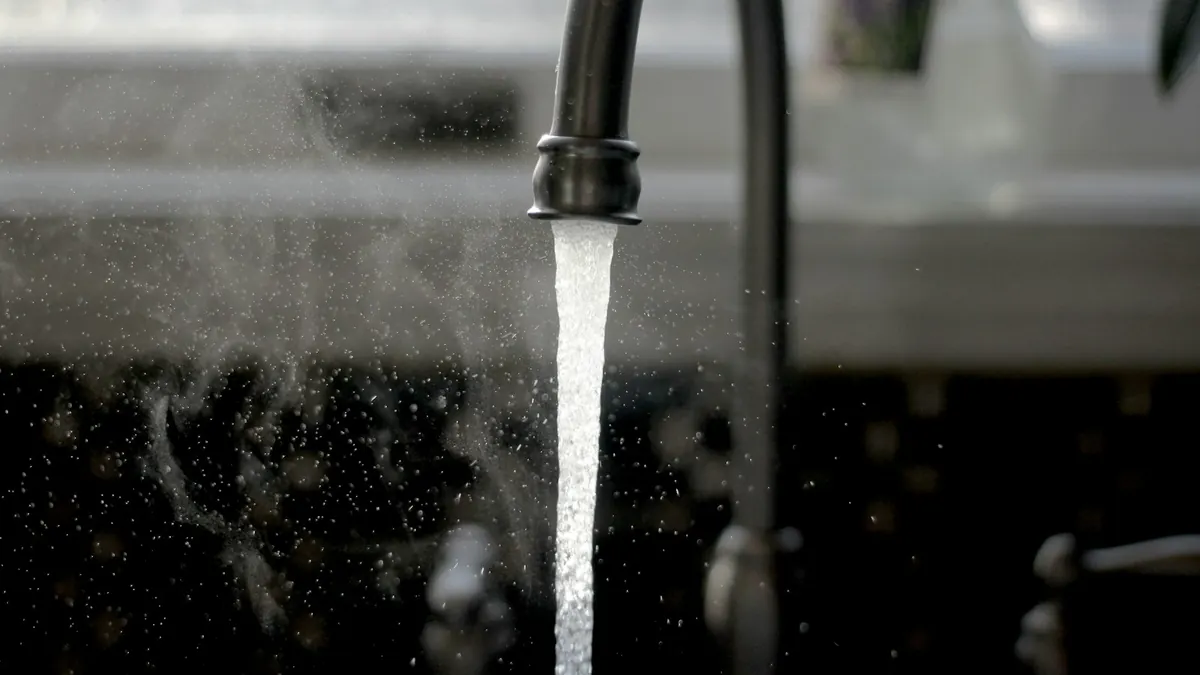
Faucet aerators and shower heads have fine screens that catch sediment and mineral flakes. Unscrew the aerator, rinse the screen, and soak it in vinegar if it's crusted. If the flow is still weak, the cartridge inside a single-handle faucet may be clogged or worn. Our faucet repair team can replace it or the whole faucet.
The Whole House: Start at the Main Valve
After any plumbing work, or after someone shut the water off, the main valve sometimes isn't opened all the way. Old gate valves are worse: the gate can partly break off inside and block flow even when the handle is fully open. If your main valve is an old round-handle gate valve, replacing it with a ball valve is a good idea anyway.
Pressure-Reducing Valves
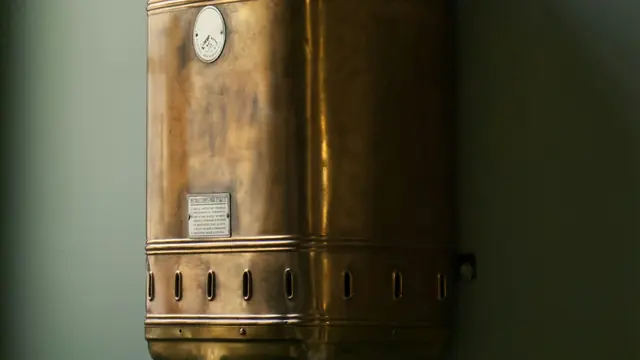
Some houses have a pressure-reducing valve, a bell-shaped fitting just after the main shut-off, that lowers high street pressure to a safe level. When one fails, pressure can drop too low or creep too high. They can be adjusted or replaced.
Old Pipes
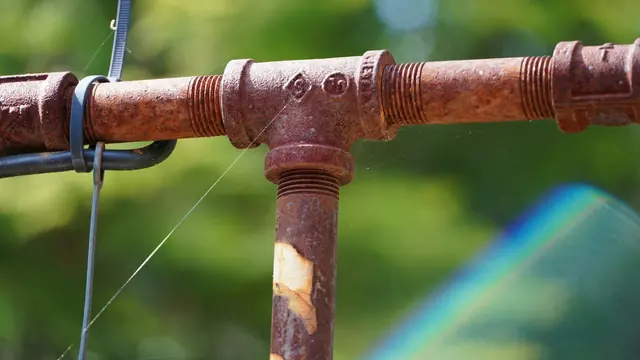
In houses built before about 1960, galvanized steel supply pipe rusts from the inside and slowly narrows. The symptom is pressure that's weak everywhere and worst when two fixtures run at once. It's covered in detail in galvanized pipes in older Hamden homes.
Hot Water Only
If the cold side is fine and the hot side is weak, look at the water heater. Sediment can clog the outlet, the valve on the cold inlet may be partly closed, or a mixing valve may be failing. If the heater is old and noisy too, see signs your water heater is failing.
A Leak
A sudden drop in pressure everywhere can mean water is escaping somewhere: a burst pipe in a crawl space, a leaking service line, or a running toilet. The water meter test in our hidden leak guide will tell you.
Check Your Actual Pressure
A water pressure gauge that screws onto an outdoor faucet or the laundry faucet costs little at any hardware store. With nothing else running, many homes read somewhere in the 40 to 80 psi range. Much lower than that explains weak fixtures; much higher can stress pipes, valves and appliances.
If your neighbors also have low pressure, or it happened after work on the street, call the water utility before calling a plumber. The problem may be on their side of the meter.
When to Call a Plumber
- Cleaning the aerators didn't help
- The whole house has low pressure and the main valve is fully open
- The pressure dropped suddenly, which can mean a leak
- You have galvanized pipes and the pressure keeps getting worse
Our plumbing repair team checks the pressure, finds the cause, and explains your options before starting.