Key Takeaways
- With every fixture off, the water meter shouldn't move. If it does, water is leaving somewhere.
- Toilets are the most common silent leak; a few drops of food coloring will tell you.
- Check under sinks, behind the washer, at the water heater and at outdoor faucets first.
- Stains, bubbling paint, musty smells and warm spots on floors point to leaks you can't see.
Signs You Have a Leak You Can't See
- A water bill higher than the same season last year, with no change in how you use water
- The sound of running water when everything is off
- Stains, bubbling paint or sagging drywall, especially on ceilings under bathrooms
- A musty smell or mold in one spot
- Floors that feel soft, warped or warm
- Low water pressure that came on suddenly
Step 1: The Water Meter Test
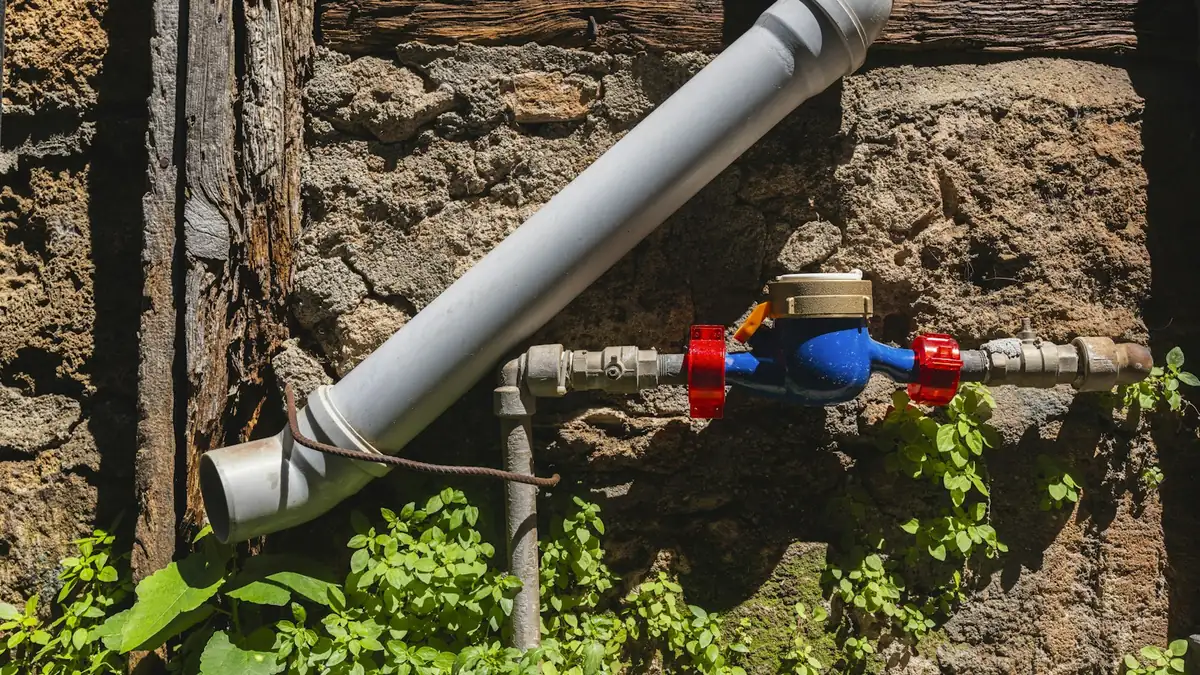
Hamden's water comes from the Regional Water Authority, and in most houses the meter is in the basement near where the water line comes through the wall.
- Turn off every faucet, the dishwasher, the washing machine, the ice maker and any irrigation.
- Look at the meter. Many have a small triangle or dial that spins with even a tiny flow.
- Write down the full reading, or take a photo.
- Wait an hour without using any water. Two is better.
- Check again. If the reading changed or the leak indicator is moving, water is going somewhere.
To narrow it down, close the main shut-off valve on the house side of the meter and watch again. If the meter still moves, the leak is in the line between the meter and the valve, or in the service line outside. If it stops, the leak is inside the house.
Step 2: The Toilet Dye Test
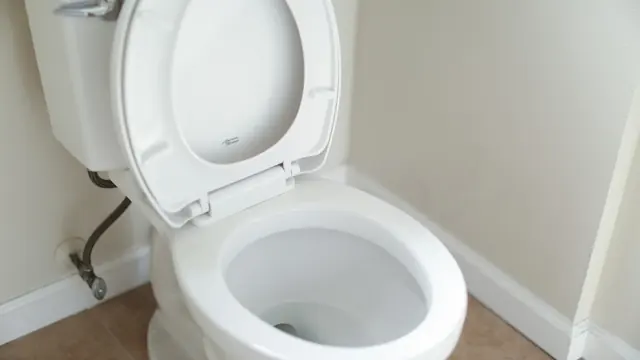
A toilet with a worn flapper can leak into the bowl all day without a sound. Put a few drops of food coloring in each tank, wait 15 minutes without flushing, and look in the bowl. Any color means a leak. Our guide to why a toilet keeps running covers the fix.
Step 3: Check the Usual Suspects
| Where | What to look for |
|---|---|
| Under kitchen and bath sinks | Damp cabinet floors, drips at supply lines and traps |
| Behind the washing machine | Bulging or cracked hoses, damp floor |
| Water heater | Water at the base, a dripping relief valve pipe |
| Dishwasher and fridge ice maker | Warped flooring in front, drips at the lines |
| Outdoor faucets | Water inside the wall below the faucet, damp foundation |
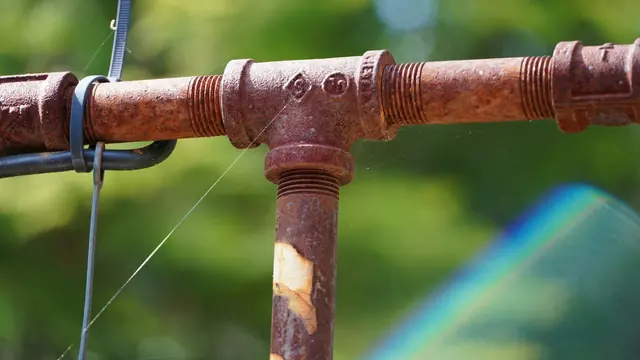
| Basement pipes | Green or white crust on copper, rust stains, drips |
Leaks Inside Walls, Floors and Ceilings
If the meter says there's a leak and you can't find it, it's likely behind a finished surface. A stain on the ceiling under a bathroom usually points to a shower valve, a tub drain or a toilet seal. A warm spot on a floor can mean a leak under the slab from a hot-water line.
This is where it pays to find the leak before opening anything. Our leak detection service in Hamden, CT narrows down the source so the opening is small and in the right place, then plumbing repair fixes the pipe.
If water is near outlets, light fixtures or the electrical panel, turn off the power to that area before you investigate.
Why It's Worth Finding Quickly
A slow leak inside a wall does its damage quietly: wet framing, mold and ruined drywall long before anyone sees water. Many insurance policies also treat long-term leaks differently from sudden ones, so finding it early can matter for coverage as well as repair cost.
Compare your water bill to the same quarter last year, not the previous one. Summer watering and winter use are very different, and a leak stands out when you compare like with like.
If the same pipes keep leaking, the bigger question may be whether it's time to replace them. See galvanized pipes in older Hamden homes.