Key Takeaways
- First confirm natural gas is available on your street; the gas utility handles the line to your meter.
- You can keep radiators with a new gas boiler, or ductwork with a new gas furnace.
- An old chimney may need a liner, or a high-efficiency unit can vent through the wall instead.
- The old oil tank has to be removed or properly closed; buried tanks need extra care.
Step 1: Is Gas on Your Street?
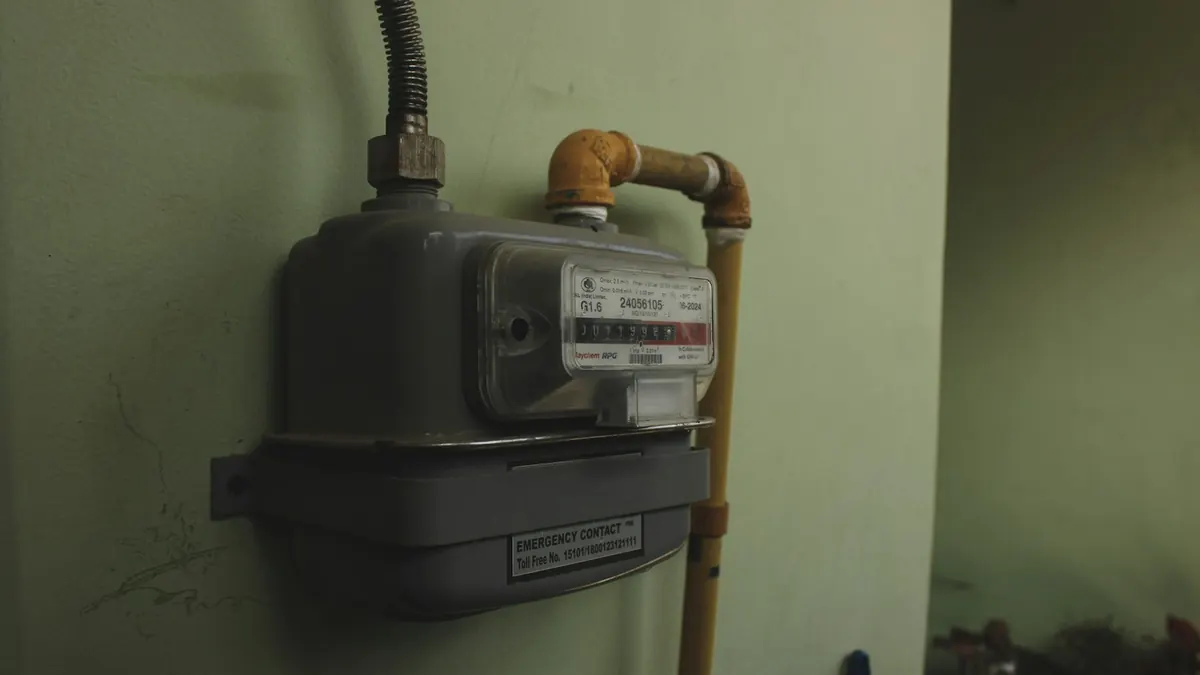
Before anything else, find out whether natural gas service reaches your street and whether your house can be connected. Contact the gas utility; they can tell you, and they handle running the service line to the house and setting the meter. Utilities sometimes offer conversion programs or incentives, so ask about those at the same time.
If gas isn't available, the conversion stops here. Some homeowners in that situation look at propane or other options instead.
Step 2: Choose the Equipment
| You have now | Common gas replacement | Notes |
|---|---|---|
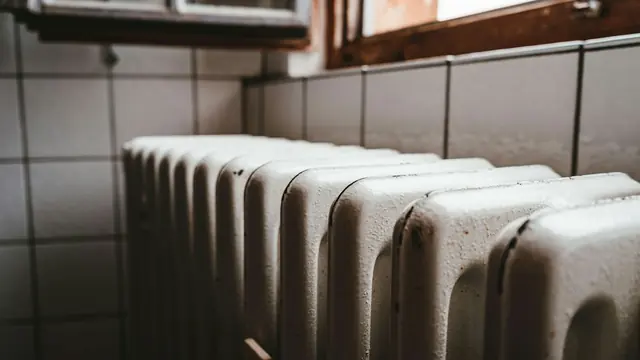
| Oil boiler with radiators or baseboard | Gas boiler | Keeps your radiators and piping |
| Oil boiler that also heats your water | Gas boiler plus indirect tank, or a combi boiler | One appliance can do both |
| Oil furnace with ductwork | Gas furnace | Ductwork usually stays |
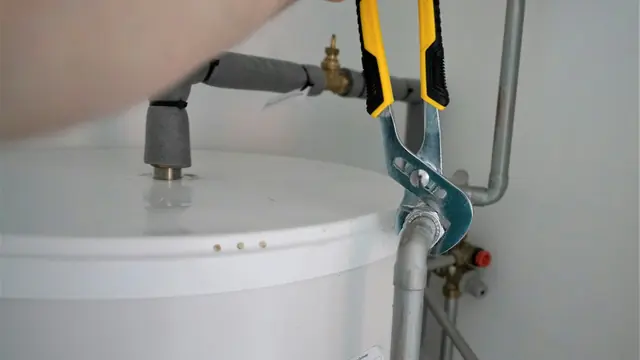
| Oil-fired water heater | Gas tank or tankless water heater | See our tank vs. tankless guide |
High-efficiency gas boilers and furnaces burn more of the fuel as useful heat. Standard-efficiency units cost less up front. Which makes sense depends on the house, the budget and how long you plan to stay.
Step 3: Venting
Oil equipment usually vents through the chimney. A new gas appliance may be able to use the same chimney, but many older chimneys need a liner so they vent gas exhaust safely. High-efficiency units vent through PVC pipe out the side wall instead, which avoids the chimney entirely.
Step 4: Gas Piping Inside the House
Once the meter is in, gas piping runs from the meter to the new boiler or furnace. It's sized for every gas appliance you plan to have, so if you might add a gas range, dryer or generator later, say so now. Our gas line work is pressure tested before anything is connected.
Step 5: The Oil Tank
A basement oil tank is drained, cleaned and removed once the new system is running. Buried tanks are a different matter: they may need specialist removal or closure, and sometimes soil testing. If you have one, we'll tell you who to call.
Don't cut into or move an oil tank yourself. Even an empty tank holds fumes and sludge.
What Drives the Cost
- The type and efficiency of the new boiler or furnace
- Whether the chimney needs a liner or the unit vents through the wall
- How far the gas piping has to run inside the house
- Whether you're replacing the water heater at the same time
- Oil tank removal, and whether the tank is buried
- Any utility incentives or programs you qualify for
Because those vary so much from house to house, a real price comes from looking at your basement. Call the HVAC line to set that up.
Oil vs. Gas at a Glance
| Heating oil | Natural gas | |
|---|---|---|
| Fuel delivery | Scheduled truck deliveries | Piped in, no deliveries |
| Storage | Tank in the basement or yard | None |
| Running out | Possible | Not an issue |
| Yearly service | Nozzle, filter and cleaning | Still recommended, usually simpler |
If your oil boiler is old and you're thinking about converting, do it before it fails. A planned conversion in summer or early fall is far less stressful than an emergency replacement in January.
Ready to talk it through? Our oil-to-gas conversion team handles the equipment, venting, gas piping and tank removal. If you're also replacing the water heater, read tank vs. tankless water heaters.