Key Takeaways
- Check the thermostat, the filter and both breakers (indoor unit and outdoor unit) first.
- The outdoor unit needs clear space around it and clean coils to shed heat.
- Ice on the indoor coil or refrigerant lines means turn the system off and let it thaw.
- Refrigerant leaks and electrical parts like capacitors are jobs for a technician.
Start With the Simple Checks
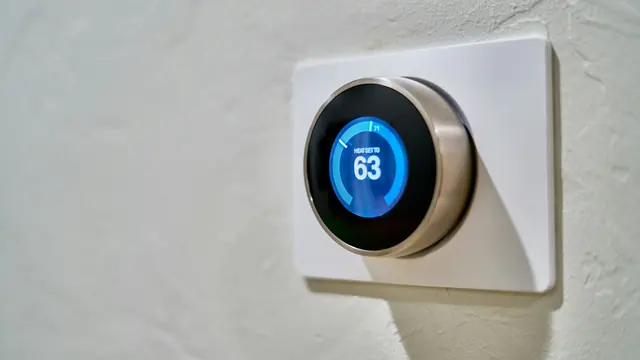
- Thermostat: set to Cool, with the set point below the room temperature. Fan on Auto, not On; with the fan on, it blows room-temperature air between cooling cycles.
- Filter: a dirty air filter chokes airflow, which cuts cooling and can freeze the coil. Replace it.
- Breakers: central air usually has two: one for the indoor air handler or furnace, and one for the outdoor unit. There's also a disconnect switch on the wall next to the outdoor unit.
- Vents: make sure supply vents are open and not blocked by furniture or rugs.
Is the Outdoor Unit Running?
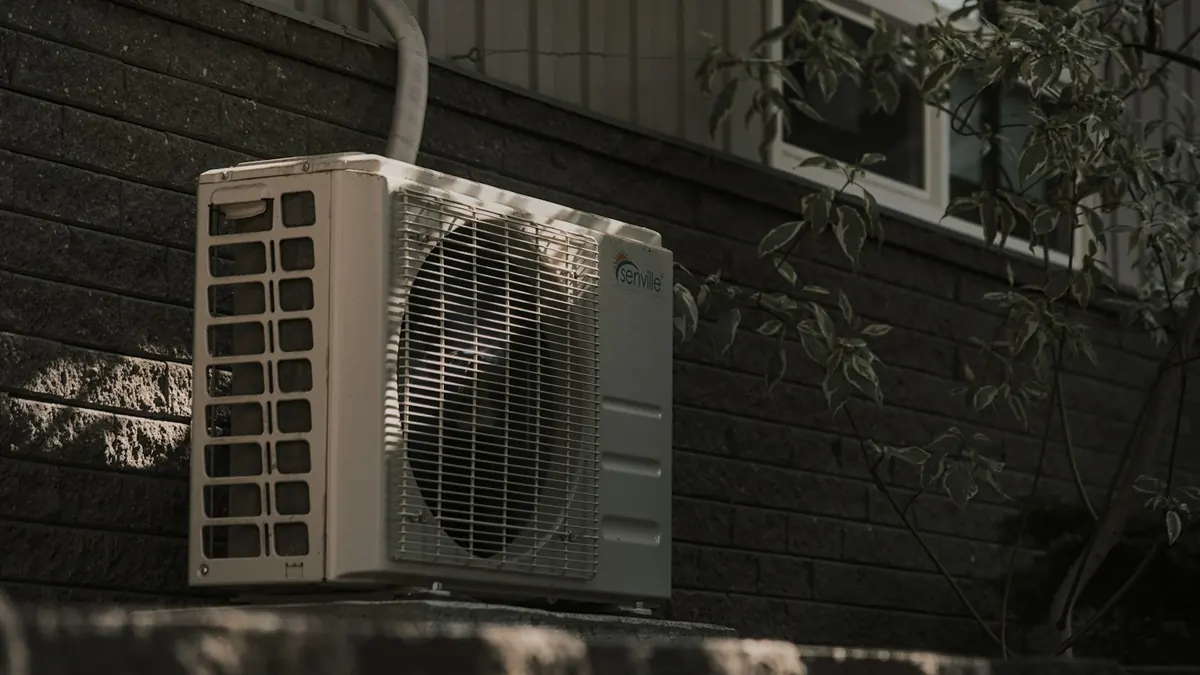
Go outside while the system is calling for cooling. The fan on top of the outdoor unit should be spinning and you should hear the compressor humming.
- Nothing running: check the breaker and the disconnect switch.
- Humming but the fan isn't spinning: often a failed capacitor. That's a tech's job.
- Running, but the AC is blowing warm air inside: keep reading.
The outdoor unit holds high-voltage parts, and the capacitor can store a charge even when the power is off. Don't open the panel or poke at the fan.
Dirty or Blocked Outdoor Coils
The outdoor unit, the condenser, throws heat outside through its condenser coil fins. Grass clippings, leaves, cottonwood fluff and shrubs growing against it all cut that ability. Keep about two feet clear around the unit. With the power off at the disconnect, you can gently rinse the fins from the inside out with a garden hose, never a pressure washer.
A Frozen AC Coil
Ice on the copper lines at the outdoor unit, or water pooling around the indoor unit, usually means the indoor coil has frozen. The usual causes are poor airflow (a dirty filter or closed vents) or low refrigerant.
- Turn the cooling off at the thermostat.
- Set the fan to On so air blows across the coil and melts the ice.
- Replace the filter while you wait.
- Once it has fully thawed, which can take hours, try cooling again.
If it freezes again, the cause is likely refrigerant or a coil problem and needs a technician.
A Clogged Condensate Drain
Air conditioners pull a lot of water out of humid Connecticut air. It drains through a small pipe, sometimes to a pump. If the line clogs, a float switch may shut the system off to prevent an overflow, or water may leak around the indoor unit.
Low Refrigerant
Refrigerant doesn't get used up. If it's low, there's a leak, and topping it off without fixing the leak only buys time. Signs include weak cooling, a frozen coil, and a hissing sound. Handling refrigerant requires a certified technician.
When It's the System Itself
An older system, or one that was sized wrong for the house, may run constantly on hot days and never quite catch up. If yours is well into its second decade and repairs are adding up, it's worth comparing repair against replacement.
Book an AC tune-up in spring, before the first heat wave. Coils get cleaned, the drain is cleared and the electrical parts are checked while there's time to fix things calmly.
For AC repair in Hamden, CT and nearby towns, our AC repair and installation team works on central air systems. Call the HVAC line. Come fall, switch gears with the fall heating checklist.