Key Takeaways
- Book a heating tune-up in September or early October, before the rush.
- Test carbon monoxide detectors on every level and near bedrooms.
- Replace the furnace filter, test the thermostat, and clear space around the equipment.
- On oil heat, check the tank level and condition before the season starts.
1. Book a Tune-Up
A yearly service is the single best thing you can do for a furnace or boiler. Depending on the system, a tune-up includes:
- Cleaning and checking the burner and flame
- Checking the flame sensor or ignition, and safety controls
- Inspecting the heat exchanger and venting
- A combustion check to make sure it's burning cleanly
- On oil burners, replacing the nozzle and oil filter
- On boilers, checking pressure, the relief valve and the expansion tank or water level
Book it in September or early October. Once the first cold snap hits, the schedule fills with no-heat calls.
2. Test Carbon Monoxide Detectors
Any fuel-burning appliance can produce carbon monoxide if something goes wrong, and you can't see or smell it. Press the test button on every detector, replace batteries, and check the date on the back; detectors wear out. You want one on every level and near sleeping areas.
Headaches, dizziness, nausea or flu-like symptoms that ease when you leave the house can be carbon monoxide poisoning. If a CO alarm sounds, get everyone outside and call 911.
3. Replace the Filter
For forced-air systems, start the season with a new filter and check it monthly. Write the size on the furnace so you buy the right one next time.
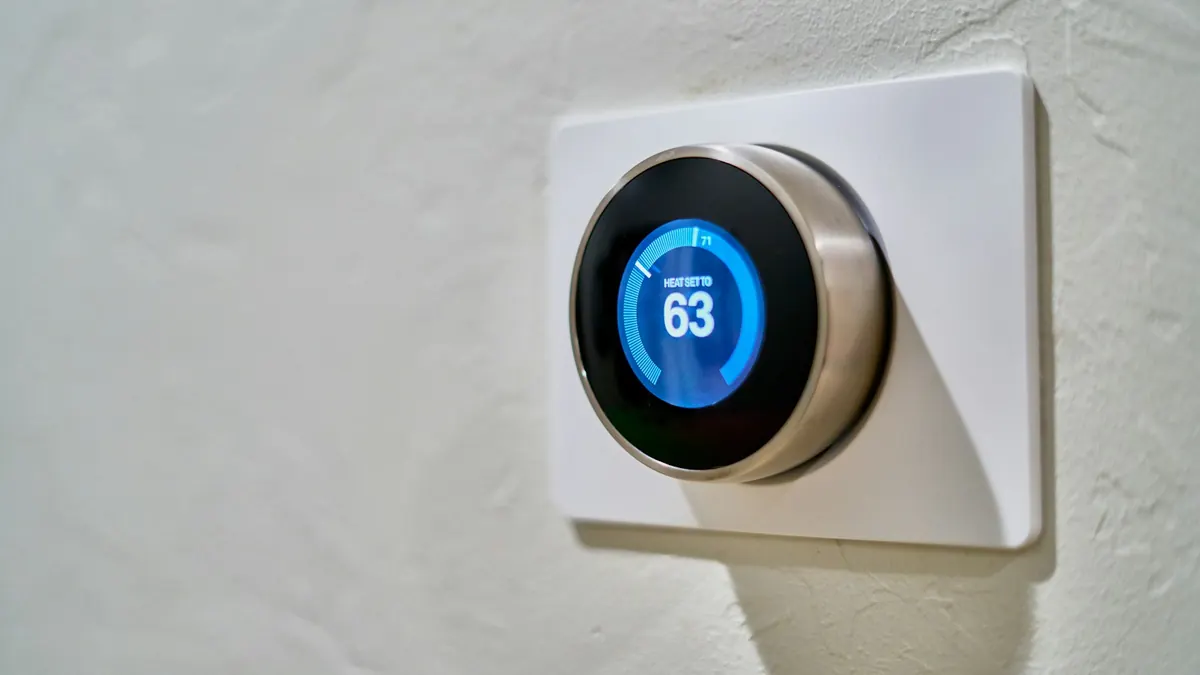
4. Test the Thermostat
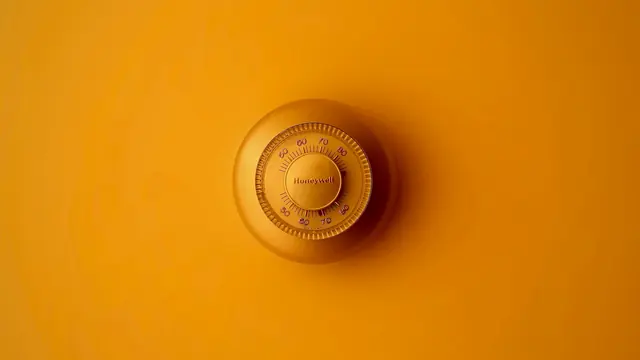
Switch it to Heat and raise the setting a few degrees. You should hear the system start within a few minutes. Replace the batteries now rather than on a cold night.
5. Clear Around the Equipment
Basements fill up over the summer. Keep boxes, paint, gas cans and laundry well away from the furnace, boiler and water heater. Burners need air to run safely, and techs need room to work.
6. Check the Vents
- Make sure supply and return vents inside are open and not covered by furniture
- Outside, clear leaves and nests from high-efficiency vent pipes on the side of the house
- Look at the chimney top for damage or blockages, and have it inspected if it's been a while
7. Boilers and Radiators
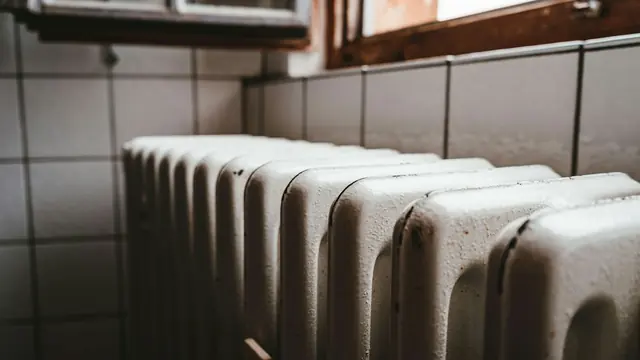
Boiler service is part of the tune-up, but there are checks you can do yourself. On hot-water systems, bleed the radiators and check that the pressure gauge reads about 12 to 15 psi cold. On steam, check the water level in the sight glass. Our guide to cold radiators and banging pipes covers both.
8. Oil Tank Check
If you heat with oil, check the gauge and get a fill before the season if it's low. Look the tank over for rust, damp spots or weeping seams, and make sure the fill and vent pipes outside are clear. A tank showing its age is better replaced on your schedule than after a leak.
If you're already thinking about leaving oil behind, fall is a good time to start the conversation. See switching from oil to gas heat.
9. Don't Forget the Plumbing
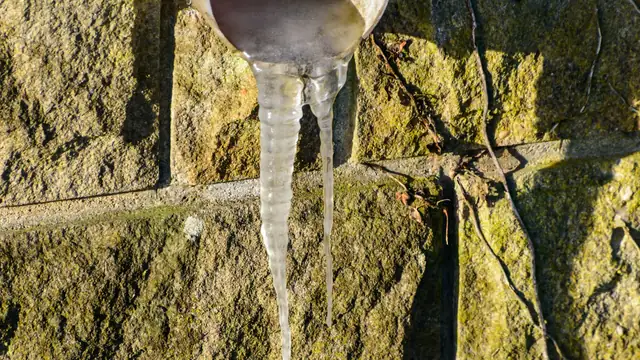
The same week you check the heat, shut off and drain your outdoor faucets and insulate pipes near exterior walls. It's all part of the same job: getting the house ready for a Connecticut winter. Our frozen pipes guide has the full list.
The Whole List at a Glance
| Task | When | Who |
|---|---|---|
| Heating tune-up | September to early October | Heating tech |
| Test CO detectors | Start of season | You |
| New furnace filter | Start of season, then monthly | You |
| Thermostat test and batteries | Start of season | You |
| Bleed radiators, check pressure | Start of season | You, or tech if pressure is off |
| Oil tank level and condition | Before the first fill | You |
| Outdoor faucets off and drained | Before the first hard freeze | You |
To book a tune-up or get help with anything on this list, call the HVAC line. Our heating repair team serves Hamden, CT homes with furnaces and boilers, oil and gas. If the furnace won't start when you test it, see 8 things to check.